

Energy Model Validation with U-Value Measurements
Understand how accurate U-value measurement improves energy model validation by replacing assumptions with real performance data.
The Importance of U-Value Measurements in Energy Models
Energy models often rely on assumed U-values, leading to gaps between predicted and actual building energy performance. Without real data, it is difficult to validate simulations or accurately assess energy consumption.
In situ U-value measurements provide a direct way of measuring U-value under real conditions. By measuring real U-values across the building envelope, professionals can check true thermal performance and improve model inputs.
Using an ISO 9869 U-value measurement ensures reliable thermal conductance measurements. It improves model accuracy and supports better energy performance outcomes.
Measuring U-Value within retrofitting processes helps by:
- Replacing assumed values with real U-value measurement data.
- Identifying performance gaps in building envelope U-value measurement.
- Detecting bridge effects and underperforming building materials.
- Improving accuracy of predicted energy consumption and energy savings.
- Strengthening reliability of design decisions.


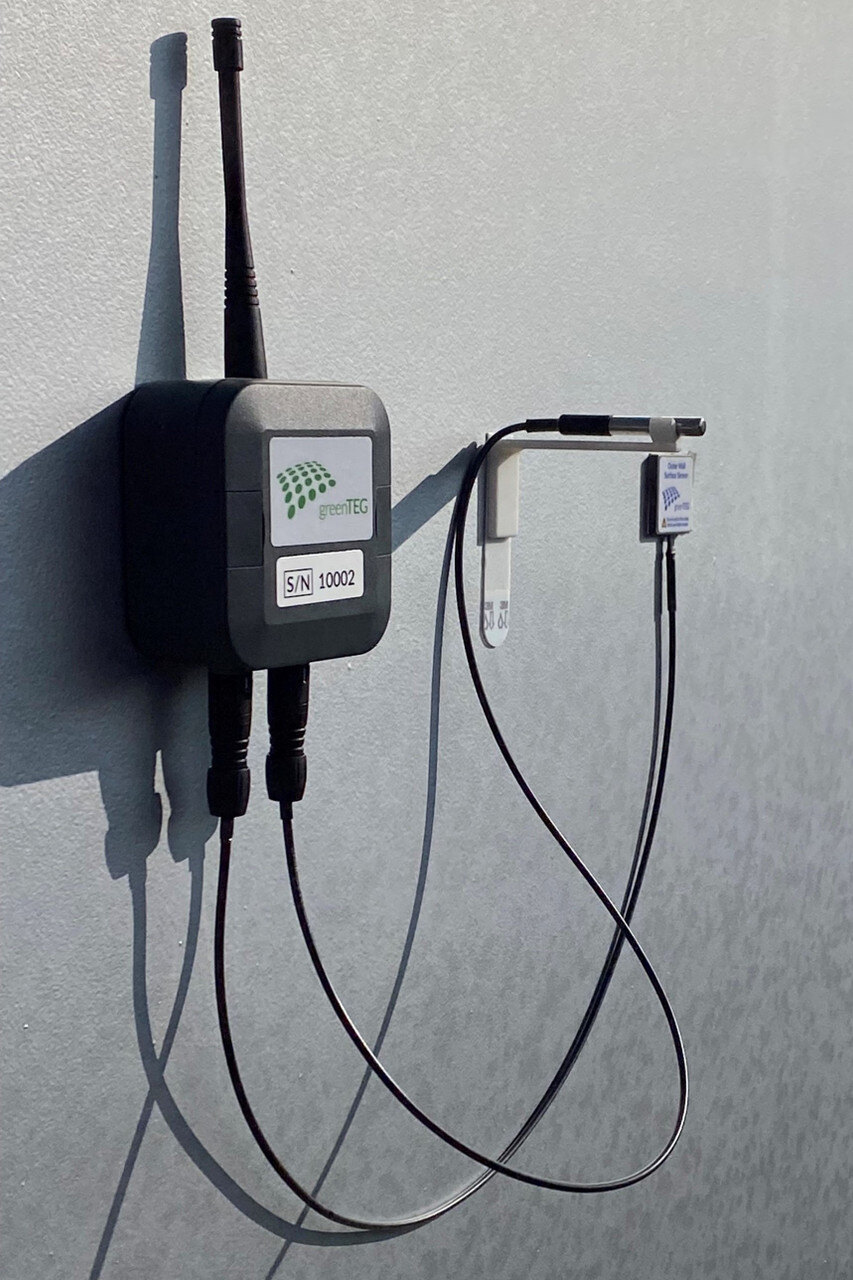
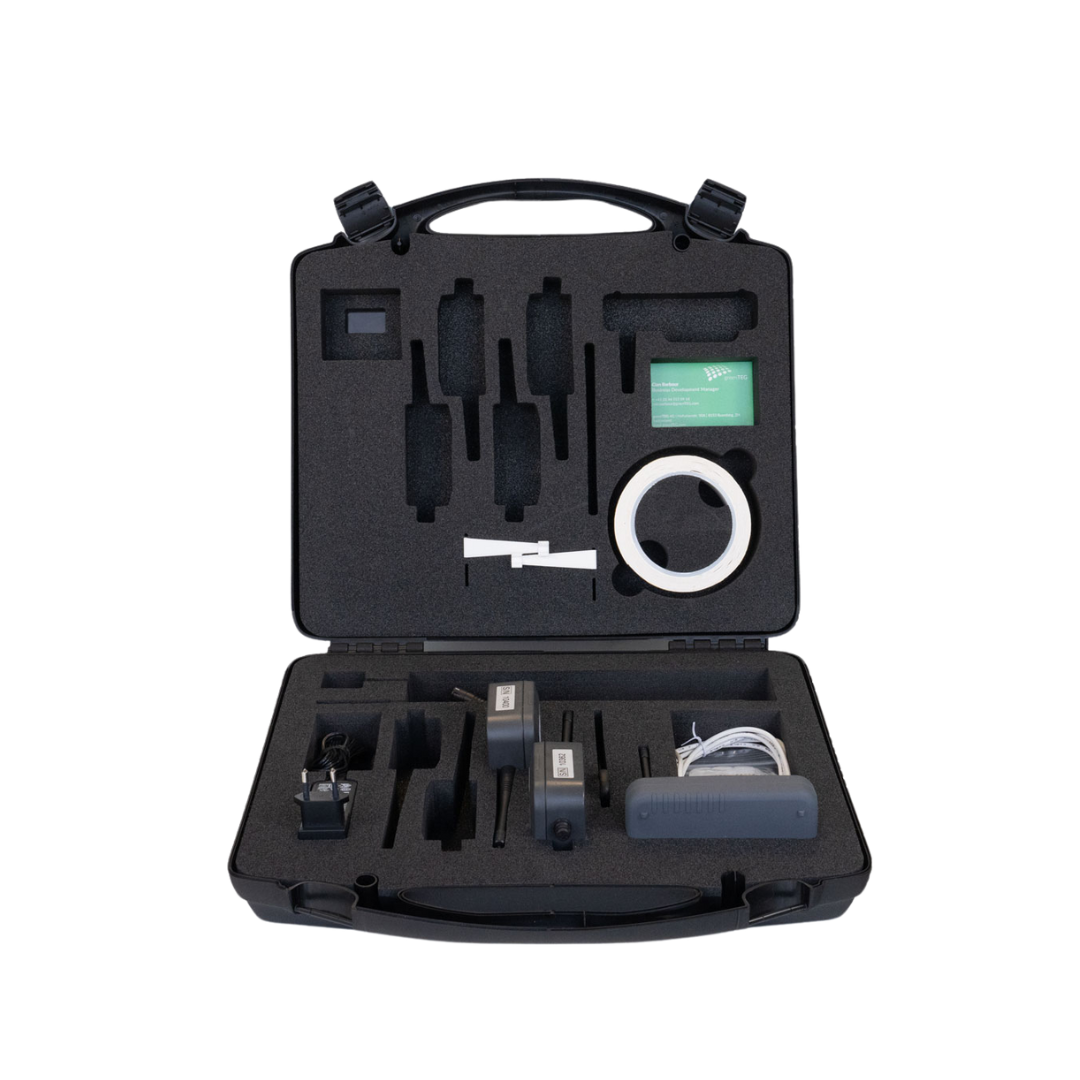
Solving Energy Model Uncertainty with UVAL Wired and UVAL Wireless.
UVAL Wired and UVAL Wireless replace assumed U-values with real measurements across building elements. They help confirm energy model accuracy.
Our solutions enable:
- Accurate in situ U-value measurement for real-world validation.
- Validate predictions vs actual performance.
- Accurate, high-resolution data for model validation.
- Accurate baseline performance and post-retrofit validation.
- ISO 9869 U-value measurement using a non-invasive approach.
Explore relevant energy model validation publications that feature our UVAL systems.
"Assessing thermal performance: Dataset from an experimental study on U-value variability."

"From complexity to scalability: Simplifying building energy models for wider adoption."
"Campus Energy Model: Using a Semi-Automated Workflow to Build Spatially Resolved Campus Building Energy Models for Climate Change and Net-Zero Scenario Evaluation."
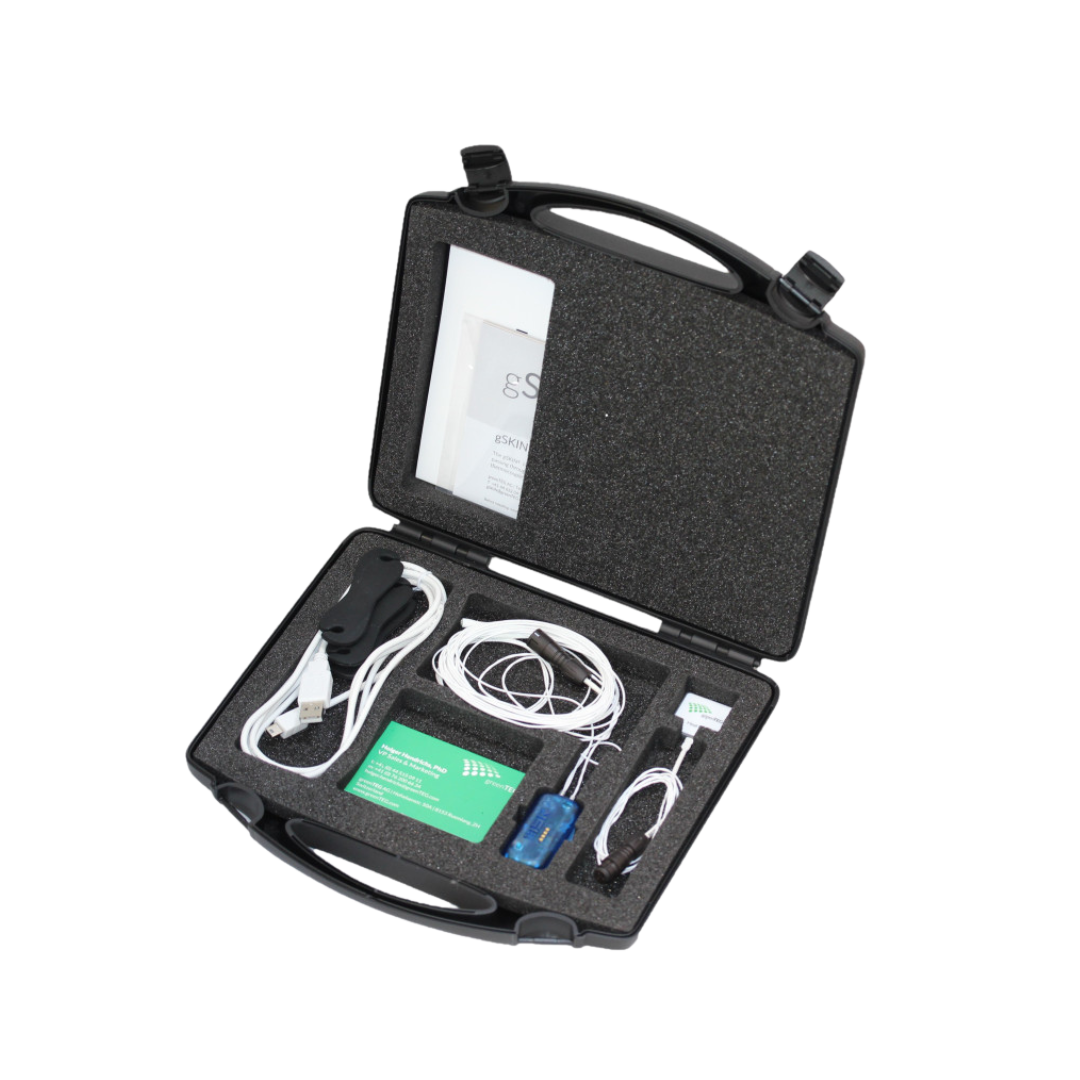
Discover our UVAL Systems:
Precision U-value measurements, made simple.
