---
title: Building Performance Assessments | BuildingGT
description: Accurate in situ U‑value measurement for building performance assessments. Identify heat loss, validate insulation, and improve energy performance with ISO 9869 methods.
---
[Skip to content](https://info.greenteg.com/building/building-performance-assessments#main-content)
[](https://info.greenteg.com/building?hsLang=en)
- [Home](https://info.greenteg.com/building?hsLang=en)
- Products
##### [ UVAL Wireless Explore our wireless system for accurate and remote U-Value measurement.](https://info.greenteg.com/building/uval-wireless?hsLang=en)
##### [ UVAL Wired Explore our wired system for accurate U-Value measurement.](https://info.greenteg.com/building/uval-wired?hsLang=en)
##### [UVAL Wired vs UVAL Wireless Discover the key differences between our two U-value measurement systems.](https://info.greenteg.com/building/uval-wired-vs-uval-wireless?hsLang=en)
- Applications
- [Building Performance Assessments](https://info.greenteg.com/building/building-performance-assessments)
- [Retrofit Evaluation and Decisions](https://info.greenteg.com/building/retrofit-evaluation-decisions?hsLang=en)
- [Building Envelope Insulation Development](https://info.greenteg.com/building/building-envelope-insulation?hsLang=en)
- [Energy Model Validation](https://info.greenteg.com/building/energy-model-validation?hsLang=en)
- [View All Applications](https://info.greenteg.com/building/applications?hsLang=en)
- Library
- [Publication Highlights](https://info.greenteg.com/building/publication-highlights?hsLang=en)
- [Whitepapers](https://info.greenteg.com/building/whitepapers?hsLang=en)
- [Downloads](https://info.greenteg.com/building/downloads?hsLang=en)
- [FAQ](https://info.greenteg.com/building-faq?hsLang=en)
- About
- [Technology](https://info.greenteg.com/building/technology?hsLang=en)
- [Team](https://info.greenteg.com/building/team?hsLang=en)
- [Contact Us](https://info.greenteg.com/building/contact-us?hsLang=en)
- [Shop](https://shop.greenteg.com/building/)
APPLICATIONS
# Measuring U-Value for Building Performance Assessments
Dive deeper into how our U-Value measurement solutions support building performance assessment measures.
[Shop UVAL!](https://shop.greenteg.com/building/)
## The Importance of U-Value within Building Performance Assessments.
A lack of reliable real-world data and a reliance on assumptions often limit building performance assessments. This makes it difficult to evaluate heat transfer, insulation performance, and energy consumption.
In situ U-value measurements provide a direct way to measure U-value under real conditions. By capturing real U-value measurement data, you can assess a building's true thermal performance. You can also check this against building regulations, and find issues like underperforming building materials in the building envelope.
U-value defines the amount of heat lost through a building element. Accurate wall U-value measurements and façade U‑value measurements provide clear insights into real insulation performance versus design expectations. The lower the U-value, the better the building insulation and efficiency.
.png?width=1584&height=2000&name=image%204%20(1).png "image 4 (1)")
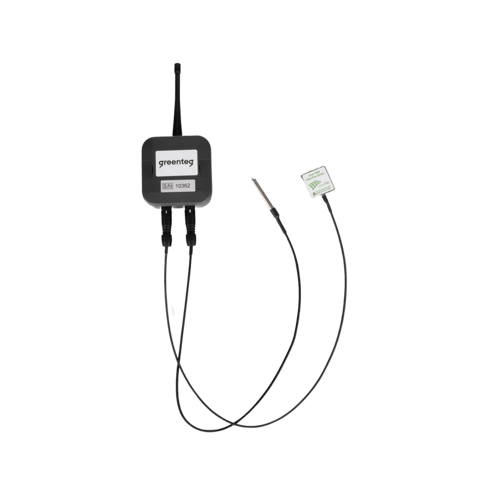
Measured U-Value addresses several challenges including:
- Inaccurate estimations or modelled performance.
- Limited understanding of building envelope performance in existing buildings.
- Uncertainty around regulatory compliance and energy performance targets.
- Unclear or unverified outcomes after renovations.
### Perform Building Performance Assessments with UVAL.
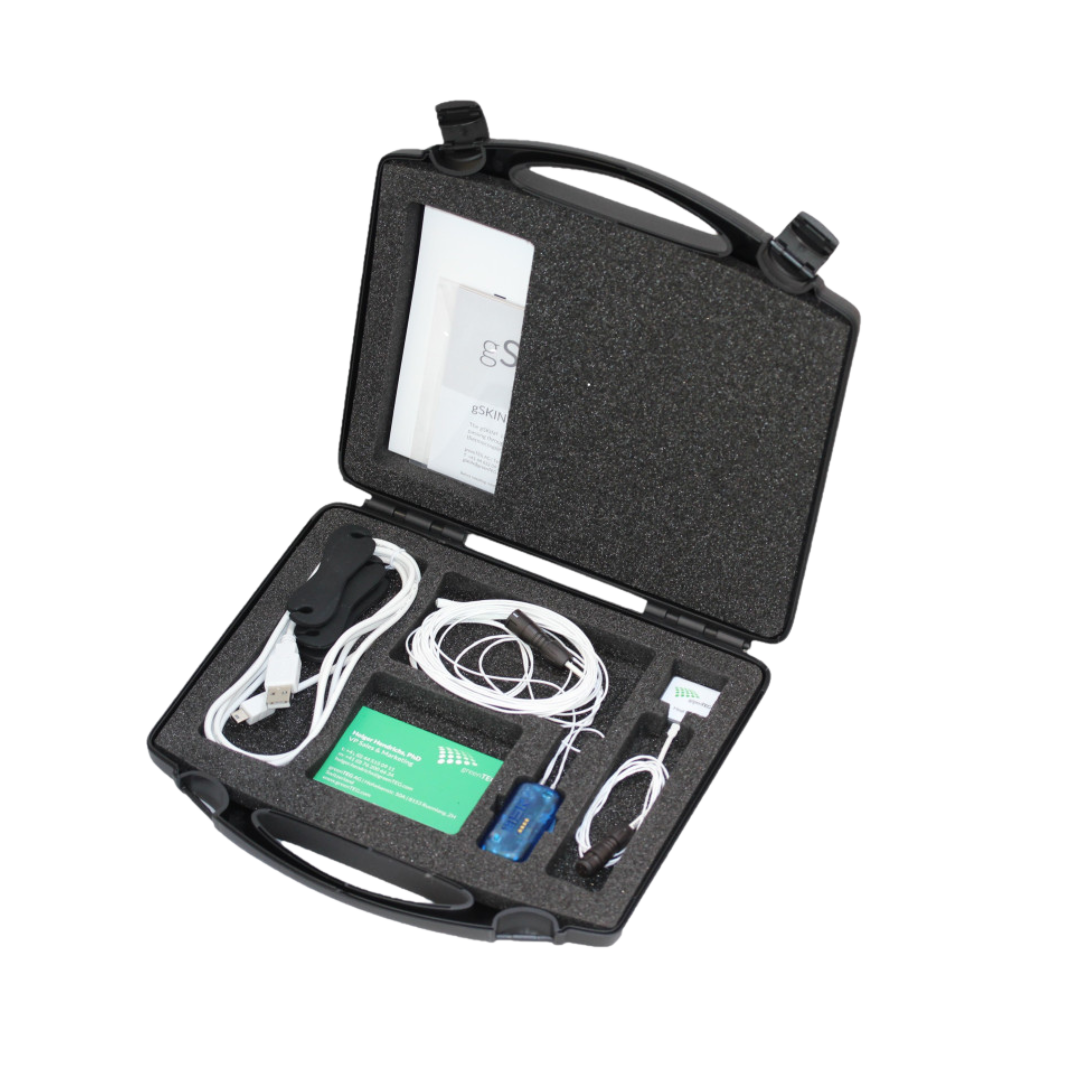
UVAL Wired and UVAL Wireless provide a reliable U-value measurement system. They deliver accurate in situ measurements across the building envelope. This includes double glazing, windows, walls, roof, floors and various façades.
Our UVAL Wired and UVAL Wireless systems support:
- Precise U-Value, temperature and heat flux measurements using real operating data.
- Status-quo determination of U-value and quantifying heat losses.
- Non-invasive U-value measurement in existing buildings.
- ISO-conforming measurement standards.
- Fast validation of thermal performance without assumptions or destructive testing.
#### Explore relevant building performance assessment publications featuring our UVAL systems.
[](https://www.sciencedirect.com/science/article/abs/pii/S2352710226001580)
Jae-Sol Choi, Eui-Jong Kim (2026)
###### ["Heat flux pattern matching using numerical model to reduce required measurement duration for U-value."](https://www.sciencedirect.com/science/article/abs/pii/S2352710226001580)
[](https://www.sciencedirect.com/science/article/pii/S259012302401973X)
H Alkhatib, P Lemarchand (2025)
###### ["Assessing thermal performance: An experimental study on U-value variability in building fabric elements."](https://www.sciencedirect.com/science/article/pii/S259012302401973X)
[](https://www.mdpi.com/2076-2615/14/20/3019)
Choi et al,. (2024)
###### ["CFD Simulation of Dynamic Temperature Variations Induced by Tunnel Ventilation in a Broiler House."](https://www.mdpi.com/2076-2615/14/20/3019)
##### Explore our UVAL Systems:
Do you have questions on our UVAL systems? Explore our FAQs, or reach out to us via our contact page.
[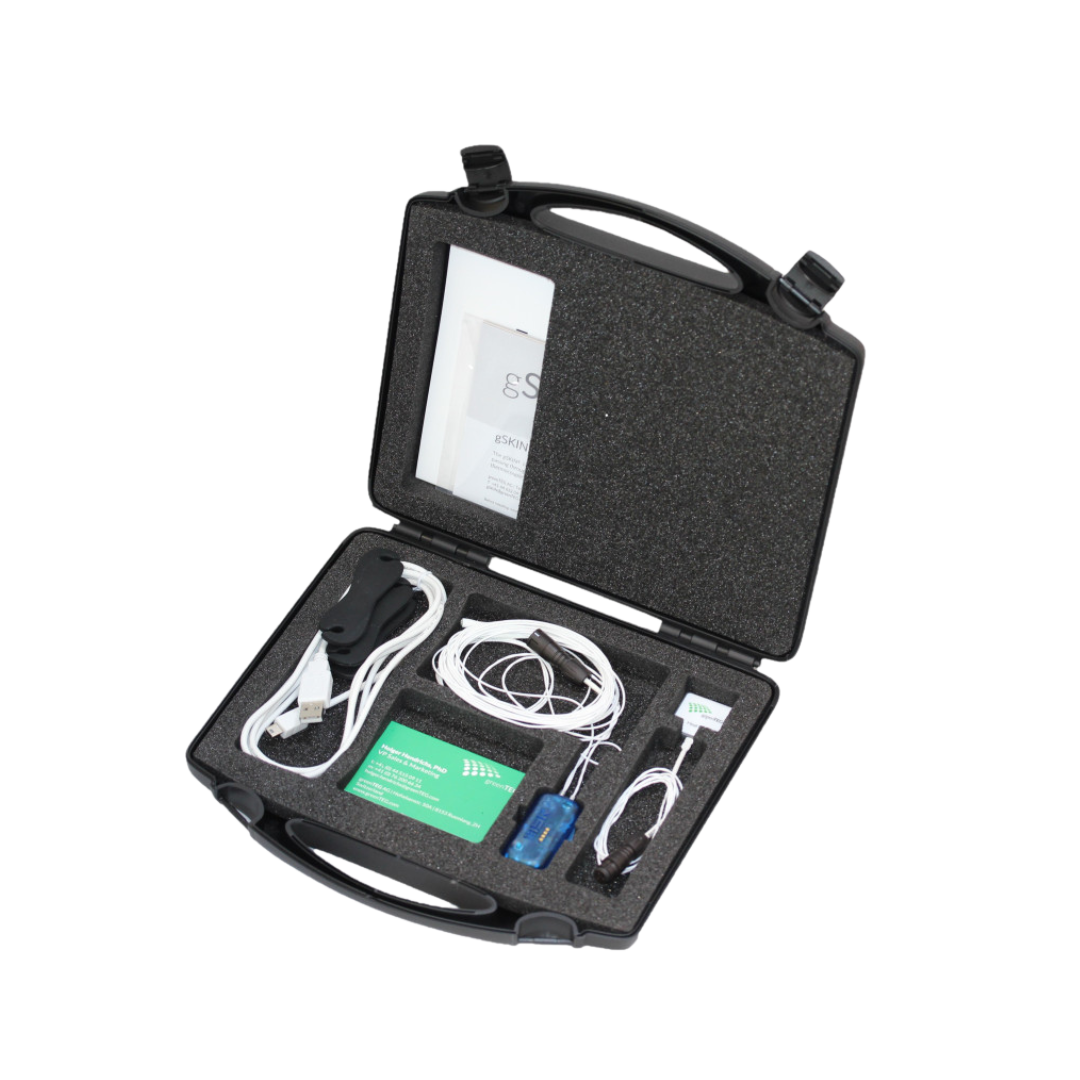](https://info.greenteg.com/building/uval-wired?hsLang=en)
UVAL Wired
###### [Precision U-value measurements, made simple.](https://info.greenteg.com/building/uval-wired?hsLang=en)
[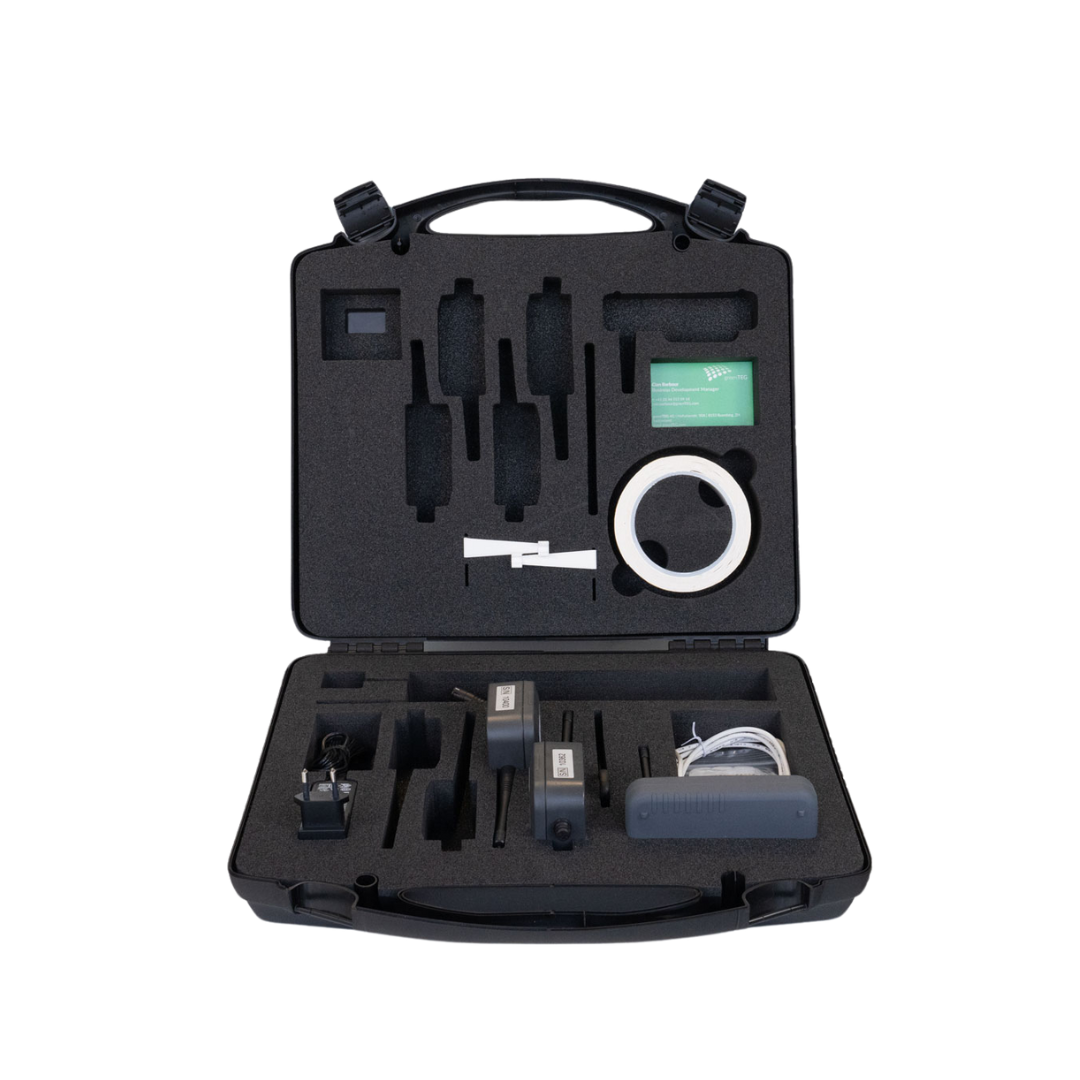](https://info.greenteg.com/building/uval-wireless?hsLang=en)
UVAL Wireless
###### [Flexible U-value insights, from anywhere.](https://info.greenteg.com/building/uval-wireless?hsLang=en)
[Read our FAQs!](https://info.greenteg.com/building-faq?hsLang=en)
[Contact Us!](https://info.greenteg.com/building/contact-us?hsLang=en)
- [Home](https://info.greenteg.com/building)
- [Corporate Page](https://greenteg.com/)
- [Shop](https://shop.greenteg.com/)
Hofwisenstrasse 50A, CH-8153 Rümlang ZH, Switzerland
©2024 greenteg AG - All rights reserved
Contact us
[E-mail or schedule a meeting](https://info.greenteg.com/building/contact-us?hsLang=en)
Follow us on social media!